- El Viaje Diplomático: Aprendizajes y Desarrollo Profesional
- Control Jerárquico y Flexibilidad: El Arte del Equilibrio
- Entre el Deber y el Hogar: Desafíos Familiares y Resiliencia en la Diplomacia
- Between Duty and Home: Family Challenges and Resilience in Diplomacy
- Hierarchical Control and Flexibility: The Art of Balance
- The Diplomatic Journey: Learning and Professional Development
Being a Diplomat: bureaucrat, hero, or mediator
A few days ago, I came across an article that captured my attention and sparked reflections that had been dormant for years. The text, titled “To Be a Diplomat” by Iver B. Neumann, a prominent academic and ethnographer, took me back to the debates on diplomacy, a topic I had set aside in my academic studies some time ago. With a prolific career spanning from identity theory in global politics to ethnographic explorations of diplomatic life, Neumann has offered innovative perspectives that have redefined how we understand the dynamics of power, organizational culture, and diplomatic practice. Later on, I will write about several of his books that have impacted me the most, analyzing how his ideas have influenced my understanding of these complex and fundamental topics.
Today, I want to share some thoughts that arose as I reread this 2005 article, considering the relevance these issues have in the current world, where diplomacy faces increasingly complex challenges and the role of diplomats is constantly evolving.
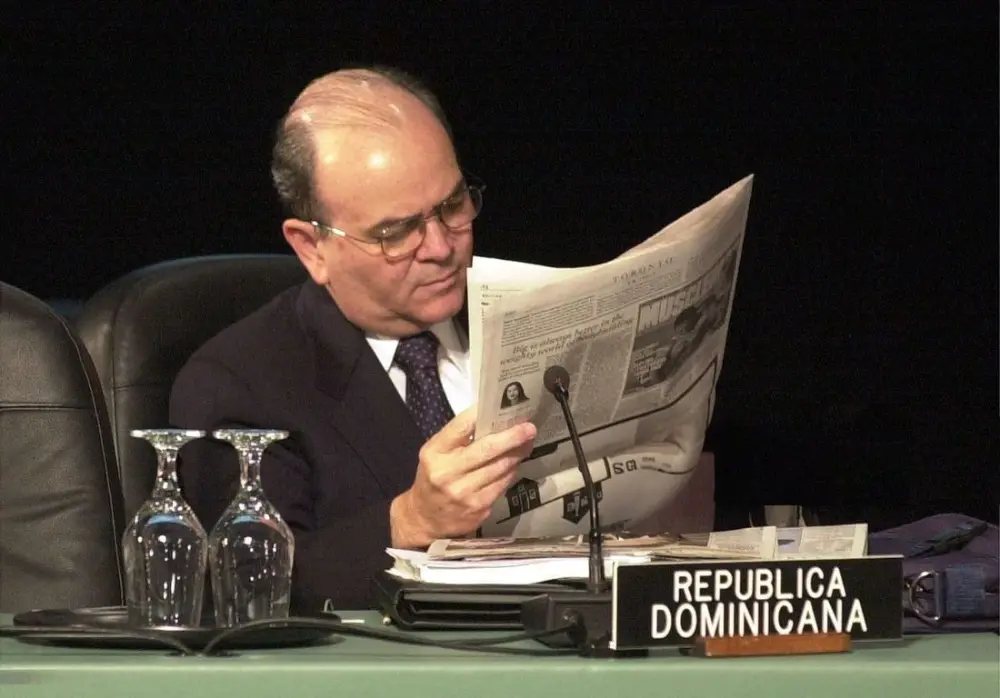
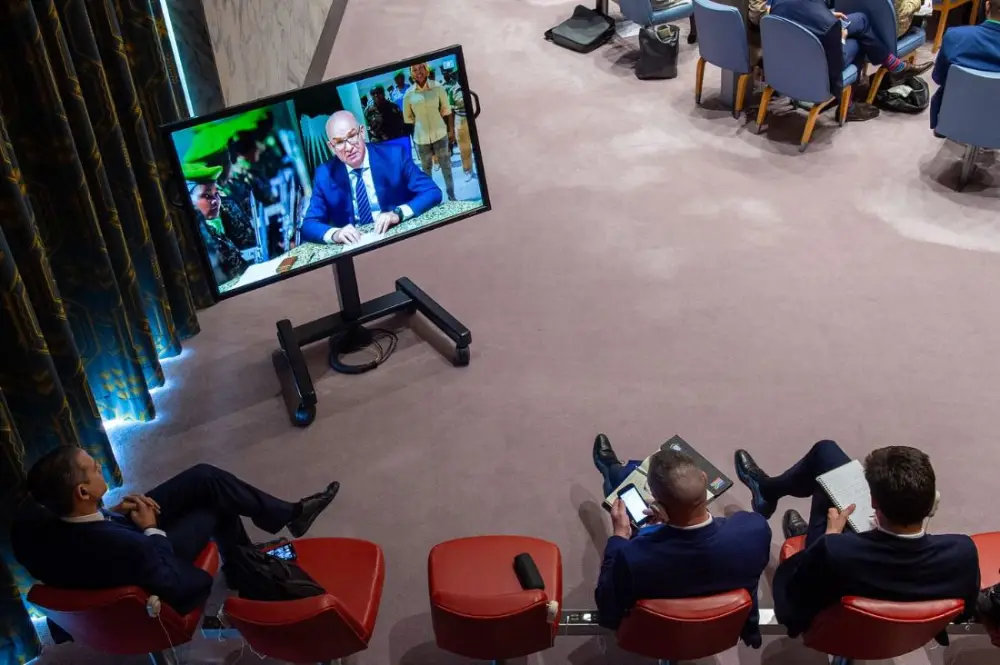
In his article, Neumann offers a fascinating look at what it means to be a diplomat. Drawing on his experience in the Norwegian Ministry of Foreign Affairs, he describes how diplomats must navigate between three fundamental roles, which he calls “scripts.” These roles are those of the bureaucrat or administrator, the hero or prominent figure, and the mediator or negotiator. Each imposes different and often contradictory demands on those who practice this profession.
The role of the bureaucrat or administrator describes the diplomat who adheres to daily routines, ensuring that procedures are followed to the letter. It is a function that might seem monotonous but is essential for continuity and stability in international affairs. However, as Neumann illustrates, this approach sometimes clashes with the need for action and leadership expected in critical situations.
In contrast, the heroic role or prominent figure is that of the diplomat who leaps into action, making decisions in moments of crisis and representing their country in high-stress situations. This role demands courage and the ability to stand out, but it can also lead to internal conflicts and the perception of seeking the spotlight at the expense of teamwork.
Finally, the script of the mediator or negotiator is perhaps the most challenging, as it requires the diplomat to act as a bridge between disparate political realities, maintaining a posture of neutrality that is not always easy to uphold, especially when personal or professional circumstances might tip the balance toward one side in particular.
As I read about these roles, I reflected on how these dilemmas have become even more acute in the contemporary world. Today, diplomats must not only deal with the traditional complexities of state representation but also navigate an international environment where crises arise more frequently and information flows at a dizzying pace. In this context, the ability to balance these contradictory roles becomes even more crucial.
Moreover, Neumann touches on an aspect that is rarely discussed in depth: the impact of a diplomatic career on the personal lives of diplomats. Constant relocation, long stays abroad, and the tensions between professional duties and family responsibilities add a layer of complexity that is often overlooked. This resonated with me particularly because a few days ago, I was writing about this very topic in my article “Between Duty and Home: Family Challenges and Resilience in Diplomacy.” It is a reminder that behind every diplomatic decision, there are human beings who must manage not only the expectations of their countries but also their own personal lives.
After years of having distanced myself from the academic study of diplomacy, this article made me reconsider the importance of these issues. Today, more than ever, understanding the internal challenges faced by diplomats is crucial for any discussion about the effectiveness of diplomacy in the 21st century. Times have changed, and with them, the way diplomats must perform their duties. Neumann, with his detailed and reflective analysis, offers us a window into these realities, showing us that being a diplomat is much more than representing a country; it is about managing identities, navigating internal tensions, and ultimately balancing the demands of a constantly changing world.
In his analysis, Neumann addresses a crucial aspect that highlights the inherent tensions between the personal, public, and private lives of diplomats. He points out that diplomats, in their attempt to manage these contradictory roles, often have to make an almost artificial separation between their personal and professional lives. This act of compartmentalization is not only essential for maintaining the neutrality required in their work but also a survival tool in an environment where the demands of the role can intensely clash with personal needs. However, this balance is fragile and often provokes tensions that can deeply affect the personal lives of diplomats, thereby underscoring the complex and demanding nature of this profession.
This article is an invitation to reconsider what it means to be a diplomat today. I am pleased to share these reflections with those who, like me, see diplomacy not just as a profession, but as a complex and nuanced art that deserves our continuous attention and respect.