- El Viaje Diplomático: Aprendizajes y Desarrollo Profesional
- Control Jerárquico y Flexibilidad: El Arte del Equilibrio
- Entre el Deber y el Hogar: Desafíos Familiares y Resiliencia en la Diplomacia
- Between Duty and Home: Family Challenges and Resilience in Diplomacy
- Hierarchical Control and Flexibility: The Art of Balance
- The Diplomatic Journey: Learning and Professional Development
Diplomacy Without Surprises: Preparation in Times of Crisis
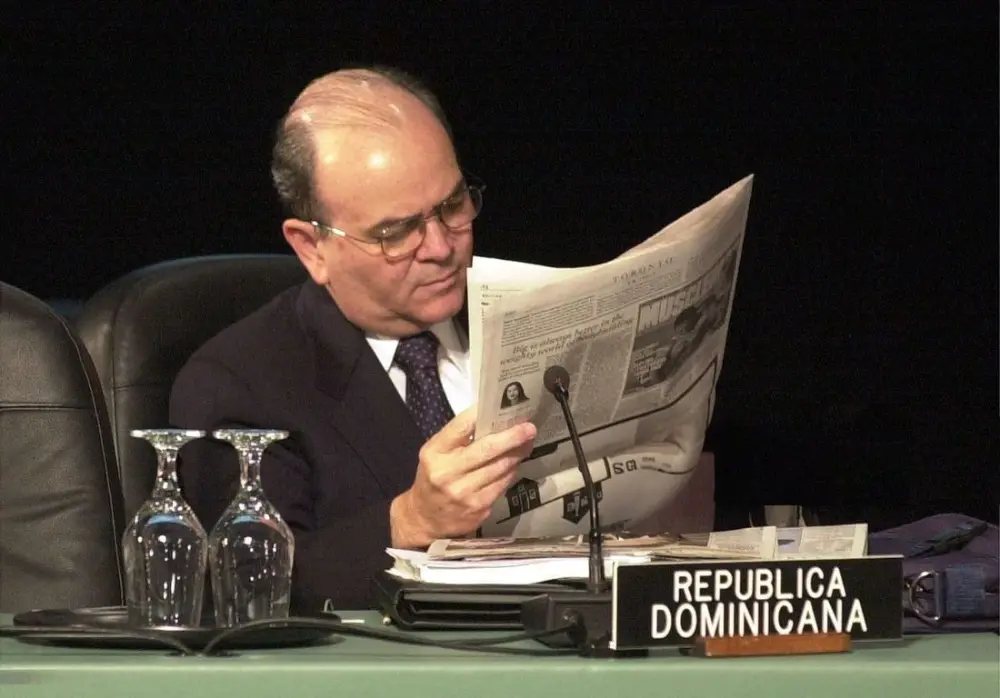
In light of the times we live in and those to come, I find it pertinent to share these reflections on crisis management in the field of multilateral diplomacy. They are the result of my experiences in the foreign service of my country, the Dominican Republic.
This writing will focus on how to navigate crises in multilateral political forums.
To begin, it is essential to address a fundamental question: what are the goals of any diplomatic participation or intervention in the multilateral sphere? They are none other than defending or advancing our interests, creating synergies to achieve common goals, and protecting the name and reputation of both our country and our superiors (henceforth, the principals). I have had the honor of representing our country in multilateral forums, regionally and globally (UN Security Council, international organizations in Geneva, Organization of American States), sometimes as part of our delegations and other times as alternate or permanent representative. I have learned that our work in these organizations is essential not only in times of calm but also, and especially, during crises.
Our actions or passivity at critical moments can make the difference between being part of a well-informed decision that adequately addresses a situation or, on the contrary, getting caught in embarrassment, contributing to a poor decision, or remaining on the sidelines and allowing the crisis to worsen. I have experienced each of these situations firsthand. This account aims to highlight and convey the importance of preparation, coordination, and leadership, emphasizing how every aspect of our work can influence the fate of our nations.
Strategic Anticipation: Navigating Turbulent Waters
In times of crisis, being diligent and proactive is crucial. I refer to constantly scanning the environment, capturing the collective mood, and anticipating points of conflict before they reach public forums to prevent our principals from finding themselves in difficult situations. To achieve this, we must pay attention not only to the internal dynamics of negotiations but also to informal conversations, news, and media that can influence public opinion and the positions of the actors involved.
I always make sure to rely on reliable sources that keep us updated on the latest events, both locally and internationally. This includes everything from media monitoring to strategic contacts in other delegations, foreign ministries, or relevant institutions. Every piece of information, no matter how small it may seem, is crucial for forming a complete picture of the situation and anticipating potential challenges.
This skill of anticipation requires a deep knowledge of history, politics, and culture. It involves many hours of study, reading relevant material, watching videos, listening to audios, scrutinizing social networks, and conversing with relevant actors to understand the underlying motivations and concerns of each player, as well as the political and social pressures that may be influencing them. Only with this rich context can we approach a correct interpretation of the subtle changes in the language and behavior of our colleagues and anticipate potential problems.
But anticipation is not just about reacting to signals; it is also about proactively shaping the environment.
By strategically sharing information with colleagues, the media, and other key actors, we can help shape the public narrative and create a more favorable climate for our objectives. This is a delicate task that requires a fine balance between transparency and discretion, but when done correctly, it can be a powerful tool in our diplomatic arsenal. Our country has much room for improvement in this aspect, as our press shows little interest in the continuous and systematic monitoring of foreign policy and rarely consults primary sources or verifies information.
The enthusiasm for the implementation of technologies such as artificial intelligence to summarize documents, compare scenarios, and draft reports could not have come at a better time. In an increasingly interconnected world with information overload, being able to process data quickly and efficiently is crucial for anticipating conflicts, modeling scenarios, and improving diplomatic decision-making. AI has the potential to become an invaluable tool in gathering information from various sources, allowing diplomats to stay constantly updated on local and international events. These technological tools not only increase efficiency but also allow us to identify trends and patterns that might go unnoticed in manual work. This is vital for shaping the environment and not merely reacting to it, helping us anticipate problems and design smarter, more proactive strategies.
In the end, anticipation is an art in which we combine diligent information gathering, a deep understanding of the context, and the ability to think several steps ahead. It is a skill perfected with experience and requires an agile and adaptable mind. But when mastered, it can make the difference between reacting to crises and preventing them, between being swept up by events and shaping them. As diplomats, cultivating and applying this skill is not just a valuable asset but a fundamental responsibility.
Lessons in Humility: Consultation and Learning
To ensure a solid, coherent, and consensual national position, we conduct detailed internal consultations and study similar past situations. Learning from the experience of key actors enriches our strategy. This involves not only hours spent reviewing documents and archives but also seeking the wisdom of veteran diplomats who have faced similar challenges. Their insights and advice can be invaluable in navigating the complexities of a crisis.
However, it is equally important to humbly recognize that we do not have all the answers. Every situation is unique and presents its own challenges, and there is always room to learn and grow. I have always found it invaluable to remain open to listening to different perspectives, even if they differ from my own, and to be willing to adjust my approach when necessary.
In my personal practice, I always keep a list of people to call, classified by topic or area of expertise, with whom I have developed a primary trust to talk to. Some I consider friends, and others are my mentors. These connections have proven invaluable on countless occasions. Many times, these individuals enlighten me in extraordinary ways, providing insights and knowledge I wouldn’t have considered on my own. Other times, they guide me toward third parties who can provide the necessary expertise or direct me to sources of information I lacked or had overlooked.
This approach not only expands my own knowledge base but also strengthens my network of relationships and allows me to tackle challenges from a more holistic perspective. By leveraging collective wisdom in this way, I can develop more robust and adaptable strategies and be better prepared to navigate even the most complex situations.
It is crucial to recognize that no matter how capable and dedicated we are, we cannot achieve our goals alone. Diplomacy is, at its core, a collective effort.
It requires the cooperation and goodwill of multiple parties, often with divergent interests and priorities. Only through patient consensus-building, skillful negotiation, and sometimes prudent compromise can we forge the alliances and agreements necessary to advance our objectives.
When a diplomat chooses to move forward without broad consultations, they close themselves off to valuable opportunities for growth and expansion of their knowledge. This says a lot about their approach and perspective and rarely leads to optimal outcomes. By isolating themselves from the perspectives and experiences of others, they deprive themselves not only of collective wisdom but also of the opportunity to forge stronger relationships and broader alliances.
This humility and openness should not be confused with weakness or lack of conviction. On the contrary, recognizing our limitations and the need for collaboration is a sign of maturity and strength. It allows us to leverage the collective wisdom and resources of others and build more robust and lasting solutions.
However, I also acknowledge that the speed of a crisis sometimes requires making decisions based on common sense and experience while staying within traditional positions. In these moments, our judgment and adherence to fundamental foreign policy principles are our best guides. But even then, we must remain open to new ideas and be willing to adapt our course if the situation demands it.
In summary, humility in diplomacy is not about doubting ourselves or our goals, but about recognizing that wisdom and strength often lie in collaboration and continuous learning. This wisdom resides not only in us but also in our predecessors, who have paved the way with their experience and vision; in our subordinates, who bring new perspectives and energy to our mission; in our peers, who support us and challenge us to grow; and in our colleagues from other nations and spheres, who provide diverse perspectives and opportunities for cooperation. By embracing this truth and tapping into the wealth of knowledge and experiences around us, we position ourselves not only to navigate crises more effectively but also to build stronger and more enduring relationships that will benefit our country in the long run.
Planning and Improvisation: A Delicate Balance
Meticulously planning every detail of our participation in multilateral organizations is essential, particularly when it comes to crisis meetings. My personal approach involves a series of carefully structured steps to ensure we are prepared for any eventuality.
After the initial internal meetings, where we align our goals and strategies, we dedicate considerable time to brainstorming all possible scenarios we can conceive. No matter how improbable or remote a scenario may seem, we consider it and prepare a response. This exhaustive process allows us to anticipate a broad spectrum of situations and develop robust contingency plans.
For each scenario, I prepare detailed responses and written scripts. These scripts are vital, especially when one of our principals is “in the chair” (as we refer to our delegation’s seat). In the heat of the moment, it’s easy to forget a key point or stray from the intended message.
Having a script at hand ensures that we can communicate our positions clearly and coherently, without omitting any crucial details.
This meticulous preparation not only allows us to react swiftly when complications arise but also reduces the likelihood of encountering surprises in the first place. When we take our seat in public, I want to be certain that we have anticipated and prepared for every possible twist and turn. In fact, there is an unspoken rule in diplomacy that no one should sit in a public meeting after diplomatic negotiations if they don’t already know each participant’s position and can’t foresee the outcome with a high degree of certainty. This rule underscores the critical importance of preparation and prior coordination.
Participating in a public meeting without this level of preparation is like walking through a minefield: one misstep can have disastrous consequences. If we find ourselves surprised in this scenario, it is not only a clear sign that we have not adequately prepared but also a failure to adhere to one of the fundamental principles of effective diplomacy.
Surprise, in this context, is rarely a positive thing. It can undermine our position, damage carefully cultivated relationships, and, in the worst-case scenario, lead to agreements or compromises that run counter to our interests. Therefore, it is imperative that we invest the time and effort necessary in preparation, ensuring that we fully understand the landscape and have aligned all the pieces before taking our seat. Only then can we proceed with the confidence and determination necessary to advance our objectives and effectively serve our country.
However, I recognize that no matter how much we prepare, there will always be an element of unpredictability. This is where our ability to improvise comes into play. Improvisation is an art perfected through experience, which is not earned merely by accumulating years of service but through active participation in negotiations, being part of multilateral environments, drafting position papers, researching the positions of other actors, and facing diverse challenges in the field. It requires a deep knowledge of our objectives, an agile mind to quickly assess the implications of changes, and the creativity to find alternative solutions.
It is important to note that while surprises can occur, they rarely develop suddenly in meetings. Diplomatic negotiations are dynamic processes, and a trained eye can often detect subtle shifts in momentum that may signal a potential change in events. These changes can manifest in a participant’s body language, a shift in the tone of the discussion, or even the seemingly innocuous introduction of a new agenda item. Experience also gives you the ability to identify situations and connect them with past events that are similar.
As seasoned diplomats, part of our job is to be attuned to these signals and prepared to adapt accordingly. This requires not only keen observation and active listening during meetings but also a constant flow of communication with our team and allies. By sharing our observations and perceptions in real-time, we can collectively build a more complete picture of the negotiation’s dynamics and better anticipate potential shifts in direction. On more than one occasion, I have felt those moments of déjà vu, and moments later, I’ve felt a deep satisfaction in my intuition.
So, when we detect a shift in momentum, our first response is not necessarily to act immediately. Sometimes, the best strategy is to wait and see, allowing the situation to unfold before intervening. Other times, it may be necessary to call for a recess to consult with our team and reevaluate our strategy. And in some instances, it may be appropriate to address the issue directly, seeking clarity on a participant’s position or proposing a compromise to keep the negotiations on track. On other occasions, it may be strategic to let the moment pass.
In any case, our ability to improvise effectively depends on our prior preparation. If we have done our job correctly, we will have anticipated a wide range of scenarios and developed contingency strategies for each one. This allows us to adapt our response more fluidly and confidently, even in the face of unexpected developments.
Of course, even with the best preparation and the sharpest improvisational skills, there will be times when we are genuinely surprised. The unpredictable will always exist. In these moments, it can be tempting to panic or take rash action. But it is precisely in these moments that our experience, judgment, and adherence to principles are most important. By staying calm, assessing the situation objectively, and trusting in our training, we can navigate even the most turbulent waters and emerge with our objectives intact.
Ultimately, in diplomacy, as in life, unpredictability is inherent. However, with the right preparation, an agile mind, and a good measure of grace under pressure, we can turn even the most challenging surprises into opportunities to advance our mission and serve our country.
The balance between meticulous planning and creative adaptability is, ultimately, the key to success in multilateral organizations.
We must be disciplined enough to prepare for every eventuality but also agile enough to adjust when circumstances inevitably change. It is a challenging balancing act, but one that we can master with experience, preparation, and an unwavering adherence to our core principles.
Personally, the truth is that, in those moments, I am meticulously observing the room, attentive to every gesture and movement, like a guardian watching over their territory. I am constantly thinking about how to protect my principal. This constant vigilance may seem tense, even cold, and it is, but it is a manifestation of the deep sense of responsibility and unwavering commitment to duty. In those moments, I am not just a diplomat; I am a protector, a strategist, an operator. I am dedicated to safeguarding my nation’s interests by any necessary means. That is precisely my job. Over the years, I have relaxed a bit; experience gives us a certain sense of security, and with that, I allow myself some leeway, but rarely.
Effective Communication: Keeping Everyone Informed
Keeping our superiors informed goes beyond preparing concise and clear reports; it also involves direct communication and strategic conversations where we convey key points. We must be prepared not only to face the press but also to participate firsthand in high-level meetings where our clarity and persuasion can be decisive.
This requires a constant flow of accurate and relevant information. We must be able to synthesize complex situations, highlighting the implications and strategic recommendations. Anticipating difficult questions and preparing appropriate answers is part of our responsibility. This helps maintain a coherent public image and protects our principals from being caught off guard.
However, effective communication goes beyond written reports, which are increasingly less relevant. In direct conversations with our principals, we must be able to convey the nuances of negotiations, providing a rich context that informs their decisions. This ability to communicate strategically, both in writing and in person, is key to diplomatic success.
In my experience, one of the most crucial aspects of effective communication is ensuring that the entire team is always on the same page. This includes the foreign minister, deputy foreign minister, directors, ambassadors, and officials. It is essential that there are no discrepancies in the messages being conveyed, both internally and to the public and our international partners.
To achieve this, a constant and methodical effort is required. Establishing clear communication routines, with regular updates through various channels — from reports to in-person or virtual meetings — is necessary. Every member of the team must feel fully informed and that their voice is heard.
This is especially crucial in times of crisis when events can evolve rapidly from hour to hour. In these situations, staying updated on the latest developments requires constant alertness. And this, in turn, demands extreme caution before making public statements, as what we know at one moment can drastically change the next.
A vivid example of this was the events of December 7, 2022, that led to the fall of Pedro Castillo’s presidency in Peru. I remember being in a Permanent Council meeting of the OAS as the situation unfolded in real time. Each hour brought new information, new twists in the plot. At one point, it seemed that Castillo had consolidated his position; the next, he was being arrested and ousted from office.
In such a fluid context, making a premature public statement would have been extremely imprudent. It would have meant risking that our stance would become outdated within hours or, worse yet, finding ourselves on the wrong side of history. Instead, we had to navigate the situation with extreme caution, constantly monitoring developments and adjusting our strategy in real-time.
This required constant and fluid communication within our team. From the foreign minister to the officials, everyone had to stay abreast of the latest events and be prepared to adjust our approach as necessary. There were several emergency meetings, phone calls, and last-minute updates. It was a logistical and mental challenge, but it was absolutely essential to ensure that our response was appropriate and effective
Situations like this really test a team’s ability to communicate effectively under pressure. And they underscore the importance of cultivating clear and reliable communication channels, both within our own team and with our international partners.
I must admit that there have been times when I have felt deeply frustrated when information has not flowed adequately. There have been moments when I found myself in embarrassing situations, being informed by representatives from other countries about matters I should have known about from our own team. I recall one particularly embarrassing occasion when a foreign official casually mentioned a significant event in our policy that I was completely unaware of. I felt utterly unprepared and had to improvise a response, which undoubtedly left a less-than-ideal impression.
These situations are not only personally uncomfortable but can also damage our credibility and effectiveness as a team. If we cannot stay up to date with our own information, how can we expect to navigate the complexities of international diplomacy effectively?
In addition to regular updates, I also believe it is crucial to foster an environment where team members feel comfortable sharing information and perspectives with one another. It’s important to cultivate a culture of collaboration and openness, where ideas can flow freely. Often, some of the most valuable insights come from informal conversations in the hallway or around the coffee station.
Of course, this openness must be balanced with the need for discretion and confidentiality. Part of my job is ensuring that everyone understands what information is sensitive and how to handle it appropriately. But within these boundaries, I firmly believe that a team that communicates openly is a more effective team.
This constant focus on communication isn’t always easy, and it requires significant effort from me and the entire team. But the benefits are clear. When everyone is on the same page, we can respond to challenges with greater agility, present a united front in negotiations, and ultimately better serve the interests of our nation. And, perhaps most importantly, we can avoid those moments of embarrassment and confusion that arise when communication fails.
In the end, effective communication is the backbone of successful diplomacy.
It is what allows us to navigate the complexities of crises, forge consensus from divergent positions, and ensure that our voice is heard clearly and coherently on the global stage. And it is a skill that we must cultivate and prioritize every day in our work, learning from our mistakes and always striving to improve. Because in this field, especially in times of crisis, information is power, and how we manage it can make the difference between success and failure.
The Importance of the Negotiating Team
None of us can achieve our objectives alone. The importance of a strong and well-prepared team on the ground cannot be underestimated. We need a mix of experienced and novice talent, where the wisdom of veterans is complemented by the energy and fresh perspectives of younger members. This balance not only strengthens our current capacity but also ensures continuity and knowledge transfer as time goes on.
It may seem logical and straightforward, but not everyone understands it, and not everyone cares about it.
But having the right people is not enough; they must also be aligned and properly instructed. Every team member must clearly understand our objectives, strategies, and protocols. Regular briefings, open discussions, and team simulations are essential to keep everyone on the same page.
Additionally, managing internal contradictions within the team and navigating differing viewpoints is a constant challenge. There will be objectors and divergent opinions, but we must find a way to move forward consensually whenever possible. Nothing is worse than a negotiator having to carry positions they are not convinced of or with which they have significant personal differences. Fostering open and respectful dialogue within the team, seeking common ground despite differences, is essential for presenting a united and credible front in negotiations.
However, we sometimes encounter competent, agile diplomats who, on an ideological level, show extremist biases or reveal inclinations toward fanaticism on certain positions or issues. These cases are dangerous and require attention on multiple dimensions. Sometimes they are part of groups that become entrenched in certain spaces to advance particularly harmful agendas. Detecting them in time and determining the extent to which they can compromise or affect the country’s positions is imperative.
A united, well-informed team in sync and convinced of its mission is our best weapon in any negotiation or crisis. In the intricate web of international diplomacy, where each decision can have long-lasting repercussions, it is critical to approach any change or initiative that may alter the delicate balance of work with caution and wisdom. For this reason, I cannot sympathize with ideas that suggest anyone can take on any role or responsibility without considering the experience, skills, and knowledge necessary to effectively fulfill the functions.
Diplomacy is not a field for improvisation or reckless experimentation.
Each member of a team that has been carefully selected and trained to perform their responsibilities optimally must be protected. When a cog is functioning smoothly, it is a grave mistake to try to replace or modify it without a compelling reason.
Moreover, we cannot support measures that seek to implement actions that disrupt the harmony or dismantle, recklessly, teams that work and function well. These teams are like delicately tuned symphonies, where each instrument plays a crucial role. Altering the composition or dynamics of these groups without meticulous planning and solid justification could lead to discord and cacophony that would undermine the ability to achieve goals.
Instead of succumbing to the temptation to change for the sake of change, it is necessary to pause, value, and protect what has proven effective. This does not mean resisting innovation or progress, but I believe that any transformation must result from careful analysis, meticulous planning, and impeccable execution.
Personally, I firmly believe that, in times of crisis, it is essential to have the best talent at the negotiating table and in decision-making.
It is like baseball: in crucial moments, you need your star team on the field — it’s not the time for novices, improvisers, or friends.
Every leader must decide whether they want stars, average players, or ordinary ones on their team. Our commitment must always be to excellence, stability, and coherence, and that means surrounding ourselves with the best professionals to face the most complex challenges.
Informed Leadership: The Foundation of Success
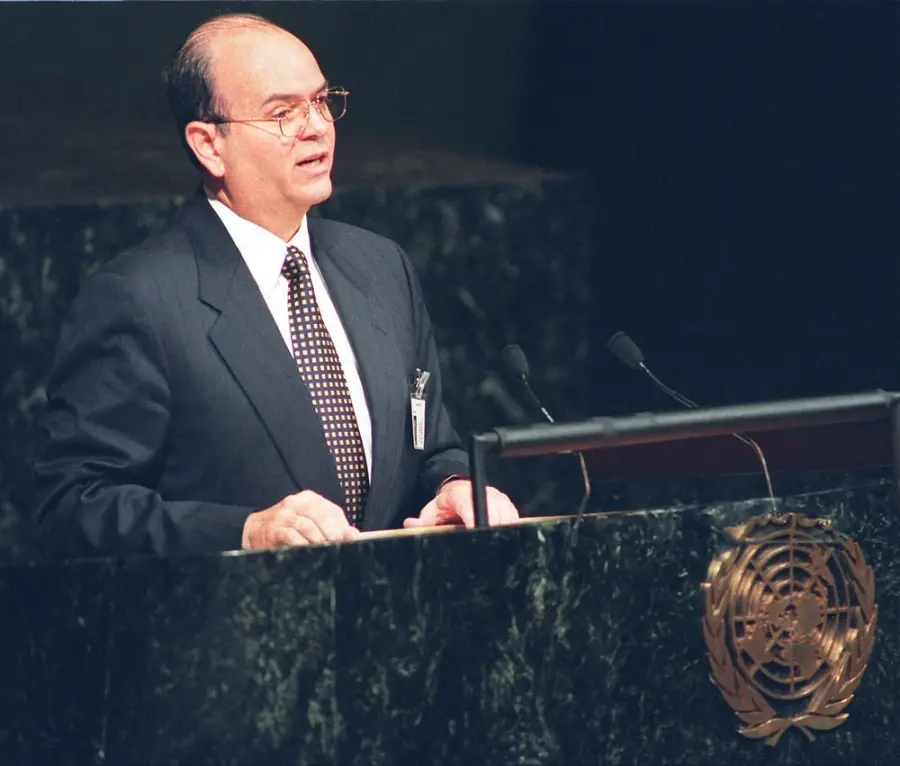
It is crucial that leaders deeply understand conflicts and their historical context. An informed leadership can more effectively guide our actions and ensure coherent and strategic decisions in multilateral organizations. This understanding allows for anticipation of the ramifications of our actions and the adoption of a proactive approach.
However, the risks of uninformed leadership are significant and potentially disastrous. When leaders lack solid conceptual tools, robust theoretical references, and sharp analytical capacity, they become vulnerable to making short-sighted, reactive, or even counterproductive decisions. Without a deep understanding of the historical, political, and cultural complexities at play, they can easily misinterpret situations, overlook warning signs, or underestimate the potential consequences of their actions.
Additionally, leadership surrounded by voices without a state perspective can be equally dangerous.
When advisors, family members, and confidants of the principals are more concerned with narrow interests, personal agendas, or short-term political gains, or they align with extreme or fanatical positions, their advice can distort decision-making and steer countries away from their long-term goals and principles. Without a strategic vision and a commitment to the greater good, these voices can lead leaders down dangerous paths.
In this context, our role as diplomats becomes even more critical. We cannot be mere messengers of information, transmitting data without context or analysis. Instead, we must be interpreters and analysts, capable of making sense of geopolitical complexities and presenting the information in a way that is relevant and actionable for our principals.
As I mentioned earlier, this requires not only a deep understanding of the facts on the ground but also of the political dynamics, strategic considerations, and cultural subtleties at play. But knowledge alone is not enough. Diplomats must be skilled communicators, able to synthesize complex information, highlight key implications, and present clear and persuasive recommendations. They must earn the trust and respect of leaders, positioning themselves as valuable and reliable advisors in the most critical moments.
By providing this context, analysis, and expert advice, they empower principals to make informed and strategic decisions. They help navigate complex challenges, anticipate potential pitfalls, and seize opportunities. In essence, they serve as a vital bridge between reality and decision-making centers, ensuring that a country’s policies and actions are grounded in solid understanding and long-term strategic vision.
Fostering informed leadership is not just a responsibility; it is a moral imperative for those serving on the diplomatic front.
In a world where decisions made in conference rooms can have far-reaching and long-lasting repercussions, we cannot afford to have principals operating in the dark or surrounded by short-sighted or irrational voices. The commitment to provide the light of knowledge, perspective, and wisdom not only serves the interests of our countries but also contributes to a more stable, secure, and prosperous world for all.
Throughout my career, I have had the immense honor and privilege of learning from outstanding figures in diplomacy. One of the most influential in my training has undoubtedly been Eduardo Latorre Rodríguez. First, he was my academic advisor, and later I worked alongside him, which offered me a unique perspective on decision-making hygiene — a focus that emphasizes the architecture for strategic decision-making based on rigorous and methodical principles.
Under Eduardo Latorre's leadership, I learned the importance of making precision the fundamental goal.
He emphasized that every decision should be grounded in thorough data and analysis rather than relying on premature assumptions or intuition. This disciplined approach ensures that every choice we make as professionals is not only informed but also justifiable under any scrutiny.
Our former foreign minister taught that intuition, while valuable, must be employed at the appropriate time and as a complement to exhaustive analysis. In diplomacy, where the repercussions of each action can be extensive and long-lasting, relying prematurely on intuition can lead to significant failures. His method insisted on verifying every fact and considering all alternatives before allowing intuition to guide the final judgment.
One of the principles Latorre instilled was the need to judge before promoting any conclusion or action. This approach involves a critical evaluation of all facets of a problem before formulating a response or argument. It was a practice of detachment, where biases and personal preferences were set aside to ensure that decisions were made in the best interest of the nation rather than emotional or hasty responses. I remember discussing with him the importance of intellectual curiosity and listening to his anecdotes from his student days in California and New York, which instilled in him the conceptual foundation and rigor in his reasoning.
Learning to separate the decision-making process from the final outcome was another crucial aspect of his teaching. He emphasized that a well-structured decision-making process is a success in itself, regardless of the final outcome. This perspective helps us maintain objectivity and learn from every experience, adjusting our strategies and approaches based on the structure of the process, not just the results.
Eduardo Latorre advocated for an approach in which assumptions always had to be backed by clear evidence. It wasn’t just about collecting data but critically analyzing it to discern its validity and relevance. This rigor in evaluating information ensures that the foundations of our decisions are solid and defensible.
The integrity and coherence with which Eduardo Latorre approached every action left an indelible mark on my professional development. His legacy continues to live on in those of us fortunate enough to have learned from him, and it continues to guide my approach to effective diplomacy — focused on precision, rigor, and ethical responsibility. His example taught me that greatness in diplomacy is measured by the ability to make strategic, well-founded decisions, forge lasting alliances, and defend the interests of our nation with honor and dignity.
In his time, this methodology and decision-making approach brought invaluable value to our foreign policy. His insistence on analytical rigor, precision, and thorough evaluation of each situation allowed our actions on the international stage to be more strategic, coherent, and effective.
His principles guided not only individual decisions but also the formulation of long-term policies that positioned our country as a more mature actor on the global stage.
Furthermore, the authority that Eduardo Latorre held with the national political leadership was unquestionable. His profound knowledge, experience, and integrity gave him credibility that transcended political divisions.
This authority also extended to the international community. Our former foreign minister was widely respected by his foreign counterparts, who valued his principled approach and ability to build consensus. His presence in multilateral and bilateral negotiations was always an asset for our country, as his reputation opened doors and generated trust. That recognition led him to serve as permanent secretary of the OAS High-Level Mission, established to seek consensus solutions between the Peruvian government of Alberto Fujimori, the democratic opposition, and civil society to restore full respect for the constitutional framework and institutional order in Peru during the severe political crisis at the beginning of this century. I still treasure the accounts of his conversations with OAS Secretary-General César Gaviria, Canadian Foreign Minister Lloyd Axworthy, and Alberto Fujimori during the most tense moments of the crisis, which later paved the way for Fujimori’s resignation and the agreements for the 2001 elections where Alejandro Toledo was elected.
In short, the methodology and approach of Eduardo Latorre elevated our country’s foreign policy to new heights. His legacy remains a model for all of us who serve our nation on the diplomatic front. His example reminds us that greatness in diplomacy is achieved through intellectual rigor, moral integrity, and an unwavering commitment to the higher interests of our nation.
Conclusion: The Vital Role of Diplomats in Times of Crisis and the Uncertain Future of Diplomacy
In an increasingly complex and interconnected world, where crises transcend borders and political distinctions, the role of diplomats in multilateral organizations is more crucial than ever. In these times of great challenges, our meticulous preparation, strategic coordination, and informed leadership can make the difference between peaceful resolution and prolonged conflict.
As diplomats, we have the privilege and responsibility of being the first line of defense for our nations on the global stage. Our work requires a unique combination of resilience, adaptability, conviction, humility, expert knowledge, and continuous learning. We must be master strategists, skilled communicators, and, above all, devoted servants of the public interest.
In times of crisis, we must elevate our performance even more, being tireless in our preparation, coordination, and commitment to informed leadership. This work, often carried out away from the public eye, requires patience, perseverance, and faith in the power of dialogue and diplomacy. It is these silent acts of courage and commitment that pave the way for a more stable, secure, and prosperous world.
However, I cannot help but feel a certain pessimism when I think about the future of diplomacy. We live in an era of rampant disinformation, where truth often gets lost in a sea of noise and confusion. Political polarization has reached unprecedented levels, making constructive dialogue and compromise increasingly difficult. Leaders, pressured by the need to make quick decisions and the constant demand for immediate results, often lack the time and ability to fully understand the complexity of global challenges.
Moreover, I am deeply concerned about the apparent lack of interest among younger generations in public service and diplomacy. Without a steady influx of talented and committed young people, our profession risks stagnating and losing its relevance in a rapidly changing world. It is imperative that we find ways to inspire and attract the best and brightest to this noble vocation, instilling in them the values and skills necessary to navigate the challenges of the future.
Despite these obstacles, I still believe in the transformative power of diplomacy. At the heart of our profession is the conviction that there is always a path to mutual understanding and shared progress, even in the darkest moments. It is our duty and privilege to find that path and walk it with courage, guided by the true spirit of diplomacy. As current diplomats, we have the additional responsibility of ensuring that we leave the next generation with better conditions to continue this noble work. We must be aware that our time in service will eventually come to an end, and we will pass the torch to those who come after us.
To ensure the future of our profession, we must be tireless in our efforts to promote the truth, foster dialogue, and cultivate the next generation of diplomats. We must advocate for informed and responsible leadership and work to build bridges of understanding in an increasingly divided world. Above all, we must keep the flame of hope and conviction alive in the power of diplomacy to transform conflicts into cooperation and challenges into opportunities. In doing so, we not only fulfill our duty to our nations and the world in the present but also pave the way for future generations of diplomats to continue this vital work. We must strive to leave a legacy of excellence, integrity, and commitment that will inspire and guide those who will take our place.
The road ahead will not be easy, but we are called to face these challenges with determination and unwavering faith in our mission. In times of crisis and beyond, our role remains vital to building a more stable, secure, and prosperous world for all.