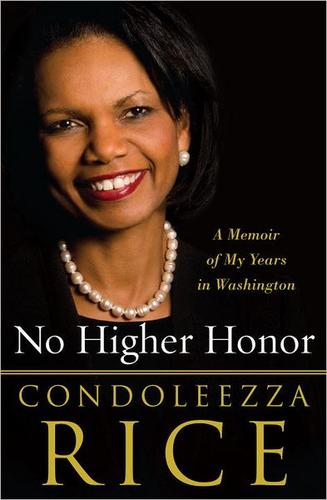
- Honor as Weight and Legacy: Condoleezza Rice and Foreign Policy from Within
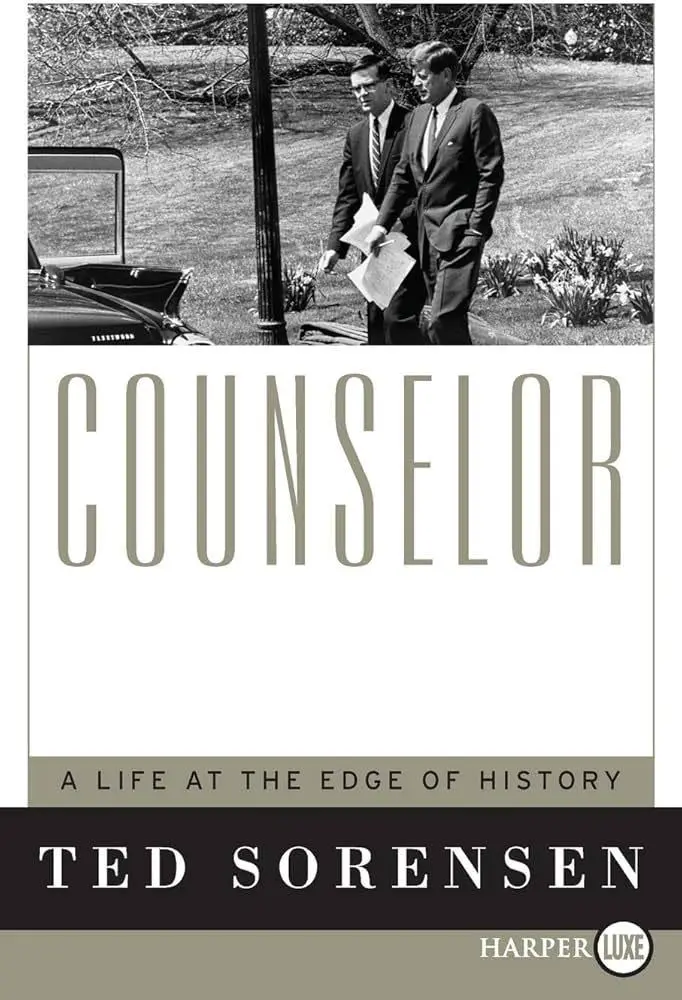
- Ted Sorensen: The Confidant in the Shadow of Power
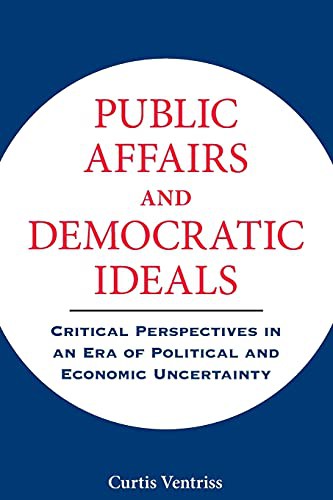
- “Public Affairs and Democratic Ideals” by Curtis Ventriss (2021)
- "The Chaos Machine: The Inside Story of How Social Media Rewired Our Minds and Our World" by Max…
- "The Righteous Mind: Why Good People Are Divided by Politics and Religion" by Jonathan Haidt (2013)
- “The Engineers of Chaos” by Giuliano da Empoli (2019)
Cancel or Be Canceled
Have you ever heard of the dreaded ‘cancel culture’? Let’s examine this phenomenon that is shaking the foundations of our society.
Imagine a world where a single comment or action can make your reputation crumble in the blink of an eye. Where enraged masses on social media have the power to destroy careers and entire lives. Welcome to the unsettling universe of cancel culture.
But what lies behind this buzzword? What are its origins and how has it evolved into an unstoppable force? Through the following journey of academic studies and deep analysis, we will delve into the secrets of this phenomenon that is transforming the way we communicate and relate.
We will explore the implications of cancel culture on our society, its impact on freedom of expression, and the tools we have at our disposal to confront it.
Prepare to question everything you thought you knew about the power of words and actions in the digital age.
What is Cancel Culture?
Cancel culture lurks in the digital shadows, ready to pounce on its next victim. In this hyperconnected world, a simple slip, a misplaced word, or a questionable action can trigger an unstoppable storm of rejection and public disapproval.
Imagine being the target of collective anger, watching your reputation crumble as enraged masses clamor for your ‘cancellation.’ In the blink of an eye, social and economic support vanishes, leaving you alone and helpless in the face of the whirlwind of public judgment.
Digital platforms are the battleground where this relentless war is waged. Social media, with its viral power and massive reach, becomes the perfect weapon to amplify the devastating impact of cancellation.
A single tweet, a post shared thousands of times, can seal the fate of anyone who dares to challenge established norms.
But what does it really mean to be ‘canceled’? It is the social equivalent of being exiled, condemned to ostracism for expressing an unpopular opinion or making a mistake. Cancellation admits no nuances or second chances; it is a total and absolute rejection, an unappealable sentence dictated by the court of public opinion.
In this climate of fear and censorship, who is safe? How many brilliant voices will be silenced for fear of cancellation? How many innovative ideas will be lost in the abyss of conformity?
Cancel culture forces us to reflect on the power we grant to digital masses and the consequences of living in a society where a single click can destroy entire lives.
Origin and Evolution
The origin of cancel culture can be traced to activism and social justice practices, where marginalized communities used cancellation as a way to hold public figures and organizations accountable for unacceptable behavior.
However, it has evolved significantly with digitalization and the expansion of social media. Some argue that cancellation initially emerged as a means of empowerment for these groups but has become a tool of social control that often lacks deep ethical reflection.
Historical Roots
Cancel culture has deep roots in historical movements such as civil rights activism and feminism. These movements used similar strategies to draw attention to injustices and hold perpetrators accountable.
In the 1960s, the civil rights movement in the United States employed boycotts and pressure campaigns to achieve significant social and political changes. Similarly, second-wave feminism used public pressure tactics to challenge and change patriarchal norms. These practices laid the groundwork for the current manifestation of cancellation in the digital age, where global connectivity and social media have amplified its reach and effectiveness.
Influence of Churches and Religious Principles
In the vast tapestry of Latin America, Catholic and Evangelical churches stand as titans, weaving their influence into every thread of cultural and political life. Their voices resonate in debates about public morality, and their doctrines intertwine with social movements. In this context, cancellation becomes a sharp tool aimed at those who dare to challenge the traditional values promoted by these institutions. Imagine being a public figure who embraces diversity and freedom, only to find yourself in the crosshairs of those who cling to ancient dogmas.
Cancellation becomes an act of faith, a divine punishment for modern heretics.
Crossing the borders into the United States, we find a similar landscape, where Evangelical churches and other Christian denominations weave their own web of influence. Religious morality stands as a beacon in the fog, guiding community reactions to public figures and celebrities.
Cancellation becomes a purification ritual, a means to uphold sacred norms and punish those who stray from the righteous path. In ideological battlefields, where wars over marriage equality, reproductive rights, and critical race theory are fought, cancellation is the chosen weapon of those who see themselves as guardians of virtue.
Is cancellation an act of divine justice or a form of oppression disguised as piety? Can religious institutions use their influence to promote empathy and understanding instead of condemnation and ostracism?
These questions invite us to reflect on the delicate balance between faith and freedom, between tradition and progress.
Examples and Case Studies
Let’s begin with J.K. Rowling, the mastermind behind the magical universe of Harry Potter. But who would have imagined that a few simple words on Twitter would unleash a storm of epic proportions? Rowling’s comments, labeled as transphobic, triggered a wave of outrage that swept away everything in its path.
Fans, once devoted, turned into fierce detractors, boycotting her books and products as if they were unforgivable curses. This case shows us how, in the blink of an eye, a beloved figure can fall from grace and face the consequences of expressing controversial opinions.
But cancellation does not only lurk in the pages of books. Kevin Hart, the comedian who has made people laugh until they cry, suddenly found himself in the center of a media hurricane. Old homophobic tweets, buried in the past, resurfaced like bloodthirsty zombies, ready to destroy his career. Hart, who was about to reach the pinnacle of his profession as the host of the Oscars, saw his dream crumble before his eyes. This example reminds us that, in the digital age, our past can come back to haunt us, no matter how much we have evolved or how much success we have achieved.
Then there is Ellen DeGeneres, the queen of daytime television, known for her charisma and generosity. But behind her radiant smile lay a dark secret: a toxic work environment that finally came to light. The accusations fell like a rain of poisoned arrows, and not even Ellen’s sincere apologies could stop the torrent of criticism. Her empire, built on laughter and dancing, began to crumble, and her once-loyal audience vanished like smoke. This case shows us that even the most beloved can fall from grace when cracks in their facade are revealed.
These three examples are just the tip of the iceberg in the icy sea of cancel culture. They invite us to reflect on the destructive power of digital masses and to question to what extent we are willing to condemn someone for their past or present mistakes.
Is cancellation an act of justice or a form of virtual lynching? That is a question each of us must answer in the depths of our being.
Implications for Society
Imagine a world where cancellation stands as an implacable guardian of accountability and social justice. With its power to expose inappropriate behavior and demand accountability, cancellation seems to be a masked hero fighting for a more just and ethical future. Is it really a savior or a disguised villain?
Behind its cape of justice, cancel culture hides a dark side: censorship and silencing.
Like an evil spell, it can silence dissenting voices and drown freedom of expression in a sea of conformity. In realms of knowledge and innovation, where diverse opinions are the elixir of life, cancellation threatens to extinguish the flame of creativity and progress.
But the scars of cancellation go beyond the visible. Those who have been condemned to digital ostracism face a labyrinth of anguish and torment. Anxiety and depression lurk in every corner, feeding on isolation and public defamation. Who can emerge unscathed from this emotional abyss?
And on the grand chessboard of society, cancel culture skillfully moves its pieces, dividing and polarizing communities. Like a dark wizard, it conjures opposing factions, each entrenched in its own truth, unable to build bridges of dialogue and understanding.
Is this the social fabric we long for, torn apart by intolerance and division?
These implications are just the surface of a turbulent ocean of consequences. They invite us to question the power we have granted to cancel culture and to reflect on the delicate balance between justice and freedom. Can we navigate these dangerous waters and find a safe harbor where accountability and empathy coexist in harmony?
Impact on Communication
Cancel culture has stealthily infiltrated our forms of communication, transforming them into a minefield where every word and every expression can trigger an explosion of unpredictable consequences.
Think about a digital universe where creativity and authentic expression wither, suffocated by the fear of being canceled. Young people, especially in countries like Brazil, become prisoners of their own silence, afraid to share their unique ideas and perspectives. Their fingers, once agile over the keyboard, now hesitate, paralyzed by the possibility of attracting hatred and cancellation.
Self-censorship becomes a necessary but suffocating armor that stifles the spark of originality.
The numbers speak for themselves: in many countries, original content from individuals accounts for less than 30% of all their posts. Can you imagine a world where more than two-thirds of what we see online is a soulless repetition, an echo of borrowed ideas and prefabricated opinions? It is as if we are trapped in a maze of mirrors, reflecting the same thoughts over and over again, afraid to break the mold and face the consequences.
But what price are we paying for this self-censorship? How many brilliant ideas are lost in the abyss of silence? How many unique perspectives vanish in the fog of conformity? Cancel culture threatens to create a society of automatons, programmed to follow the rules and avoid conflict at all costs.
It is time to challenge this suffocating status quo. Can we find the courage to raise our voices, to share our most authentic ideas, and to engage in constructive debates, even if it means facing the risk of cancellation? Can we create safe spaces where creativity and genuine expression can flourish, free from fear and censorship?
It will be necessary to challenge our own fears, to embrace authenticity, and to fight for a world where original ideas are celebrated, not silenced. The future of our collective freedom of expression and creativity is at stake.
Criticisms and Defenses of Cancellation
In one corner of the ring, defenders of cancellation stand as warriors of social justice, wielding cancellation as a sharp sword to hold the powerful accountable and root out offensive and harmful behaviors. For them, cancellation is a battle cry from marginalized communities, a way to demand a more inclusive and safe world. Imagine these defenders as masked superheroes, fighting against injustice with the power of a hashtag and the strength of collective outrage.
But in the other corner, critics of cancellation rise as guardians of freedom of expression, warning of the dangers of a culture of fear where divergent opinions are mercilessly silenced. They see cancellation as a devouring monster that feeds on victimization and allows no redemption or personal growth. Imagine these critics as brave rebels, challenging the status quo and fighting for a world where ideas can flow freely, without fear of being crushed by the tide of cancellation.
In the midst of this epic battle, how can we find a balance? How can we harness the power of cancellation for good while avoiding its darker and more destructive aspects? This is where coping strategies come into play.
Imagine a world where informational and communicative literacy is as valued as the ability to read and write. A world where people are equipped with the tools to critically evaluate content, engage in constructive dialogues, and resist the temptation of misinformation. This is the shield against unjust cancellation, a shield forged in the fire of education and critical thinking.
But education alone is not enough. We need regulations and ethical standards that promote a healthy and democratic digital environment. Imagine vigilant regulatory agencies monitoring and moderating content on digital platforms, ensuring that hate speech and unjust cancellation find no refuge in impunity. These digital guardians would be the impartial referees, ensuring fair play in the virtual arena.
And last but not least, we must cultivate a culture of dialogue and tolerance, where differences of opinion are celebrated and debated with respect. Imagine a society where nonviolent communication skills are as valued as math and science, where safe spaces for the exchange of ideas flourish like gardens of intellectual diversity. This is the antidote to polarization and cancellation, a balm that heals the wounds of division and reminds us of our shared humanity.
We must prepare to question our own beliefs, to find the balance between justice and freedom, and to forge a path toward a future where cancellation is a positive tool for change, not a weapon of mass destruction.
Future Implications
It is highly likely that cancel culture will continue to evolve significantly in the coming years, driven by relentless technological advances, generational changes, and new social trends that are transforming our society at a rapid pace. In this context, it is reasonable to anticipate a considerable increase in the sophistication of the tools and strategies used both to cancel individuals or groups and to counter these cancellation attempts. Likewise, as younger generations, deeply familiar with technology and social media, take on increasingly prominent roles in our society, it is plausible that cancel culture will become even more prevalent and integrate more deeply into our daily interactions.
In this sense, several potential scenarios could materialize in the near future:
1. Increased Regulation: Given the growing impact of cancel culture, it is likely that there will be a significant increase in the regulation of digital platforms to protect users from abuse and unjust cancellation. These measures could include implementing more robust content moderation mechanisms and creating legal frameworks that clearly define the boundaries between freedom of expression and online harassment.
2. Development of New Social Norms: As society adapts to the reality of cancel culture, it is likely that we will witness the evolution of new social norms that seek to balance individual accountability with freedom of expression. These norms could include a greater emphasis on empathy, constructive dialogue, and the ability to recognize and rectify mistakes, rather than immediate and permanent condemnation.
3. Digital Literacy Education: Given the growing impact of cancel culture, it is likely that there will be an increased emphasis on education aimed at promoting digital literacy and critical thinking. This could include incorporating educational programs that teach students to navigate the digital environment responsibly and ethically, as well as to critically evaluate the information they encounter online.
Strengthening the Analysis Based on Evidence
To further strengthen the analysis of cancel culture, it is essential to include references to academic studies, surveys, and statistics that solidly support the arguments presented:
Academic Studies:
1. Norris, Pippa (2021). “Cancel Culture: Myth or Reality?” This study, conducted by renowned political scientist Pippa Norris, uses an index developed through cross-national surveys to assess the perception of cancel culture in academia. The findings confirm that in post-industrial societies, right-wing academics feel a more hostile climate, while in developing societies, it is liberal academics who perceive an increase in cancellation.
2. Silva, Daniela and Borges, Jussara (2024). Hate speech and cancellation phenomena and the impacts on young people’s communication in digital environments.. This rigorous study examines in detail how hate speech and cancellation affect the communication of young people in Brazil, highlighting the urgent need for public policies that promote the ethical and critical use of information in the digital environment.
3. Szabó, G., & Samoilenko, S. A. (2024). “Introduction to Special Issue ‘Morality in Political and Public Debates. What is Beyond Moral Framing?” This study analyzes in depth how morality in political and public debates influences the perception and effectiveness of cancellation. The authors insightfully explore how moral framing can intensify public reactions and exacerbate polarization in our society.
4. Semenova, O. F. (2023). “Cancel Culture: The Speech Behavior of Modern Society.” In this innovative study, Semenova analyzes cancel culture from a linguistic perspective, describing it as an aggressive discursive practice that significantly influences people’s behavior and communication. The study highlights how cancellation manifests at different levels of language and integrates into various types of discourse, from politics to everyday life.
5. Friedman, H., & Lipman, S. (2023). “Cancelling Cancel Culture.” In this provocative study, Friedman and Lipman offer a unique perspective based on Jewish tradition, which strongly rejects cancel culture by emphasizing the importance of redemption and second chances. The authors persuasively argue that cancel culture ignores the inherent complexity of human life and the innate capacity of people to change and improve.
Surveys:
1. TIC Domicílios 2021 Survey (CETIC.BR/NIC.BR, 2022). This comprehensive survey reveals an alarming fact: only 31% of internet users in Brazil share their own content due to fear of hatred and cancellation. This finding underscores the profound impact cancel culture is having on freedom of expression in the digital environment.
2. Democracy and Elections Survey (Intelligence in Research and Consulting, former Ibope, 2021). This survey yields equally concerning results: six out of ten young people aged 16 to 34 do not talk about politics on social media for fear of intolerance and cancellation. This data highlights how cancel culture is eroding public debate and political participation among younger generations.
Consideration of Counterarguments and Limitations
Including counterarguments and limitations in the analysis of cancel culture is crucial to strengthen the robustness of the arguments presented and promote a more nuanced and comprehensive approach to the phenomenon. By anticipating and addressing possible objections, a commitment to academic rigor is demonstrated, fostering a more constructive and balanced debate.
Counterarguments:
1. Suppression of Freedom of Expression: One of the main counterarguments raised by critics of cancel culture is that this practice significantly suppresses freedom of expression, creating a hostile environment where people fear expressing divergent or controversial opinions. This argument holds that the constant threat of cancellation can lead to self-censorship and a reduction in constructive debate, thereby limiting the diversity of perspectives and the exchange of ideas.
2. Culture of Victimization: Another argument against cancel culture suggests that this practice fosters a victimization mentality, where people actively seek out offenses and focus on punishing those they perceive as transgressors, rather than promoting education and allowing redemption. This critique argues that cancellation can be counterproductive, as it limits the possibility of genuine dialogue and personal growth, perpetuating cycles of confrontation and division.
Limitations:
1. Lack of Consensus on Definition: One of the main limitations in the study of cancel culture lies in the lack of consensus on its precise definition. The term ‘cancel culture’ is broad and ambiguous, making its conceptual delimitation and systematic study challenging. This lack of definitional clarity complicates the assessment of the actual impact of cancellation, as different people and groups may have divergent interpretations of what constitutes an act of cancellation.
2. Cultural and Contextual Variability: Another important limitation is the cultural and contextual variability in the manifestation of cancellation. What may be considered an act of cancellation in a specific country or cultural context may not be perceived the same way in another. This variability requires a deeply contextualized analysis to fully understand the phenomenon, taking into account the historical, social, and political particularities of each environment.
Replication of Digital Cancellation in Other Contexts
It is important to note that cancel culture is not limited to the digital realm but can replicate in other contexts, such as public bureaucratic environments. In these settings, especially where politicization and clientelism prevail, cancellation can be used as a tool to silence those who challenge the status quo or who are not politically aligned with the dominant group. This can manifest through various tactics, such as arbitrary dismissals, censorship, or smear campaigns, affecting the workplace dynamics and group cohesion.
Cases in Developing Societies:
1. Political Cancellation: In countries with high levels of politicization, cancellation can be used as a mechanism to eliminate political opponents or dissenters. For example, public officials who express opinions contrary to the ruling party can be dismissed or marginalized, thereby consolidating
political control and drastically reducing the diversity of opinions in the public sphere. This use of cancellation as a tool of political repression undermines democratic principles and freedom of expression.
2. Clientelism and Loyalties: In clientelist systems, where power relationships are based on loyalty to the leader or dominant party, cancellation can be used to punish those who do not show unconditional loyalty or who dare to criticize the party’s practices. Individuals who challenge these power structures can be canceled and marginalized within the organization, thereby reinforcing existing hierarchies and hindering institutional reform and transparency. This use of cancellation perpetuates corruption and hinders the development of strong democratic institutions.
Conclusion
Cancel culture is a complex phenomenon with significant implications for society. While it can act as a tool for social justice and accountability, it also poses risks of censorship, polarization, and psychological harm. Addressing these challenges requires a balanced approach that promotes informational literacy, regulates the digital environment, and fosters a culture of dialogue and tolerance. Only through these measures can we mitigate the negative effects of cancellation and foster a more just and equitable society.