Inter-American Democratic Charter: 22 Years Later. 2/2
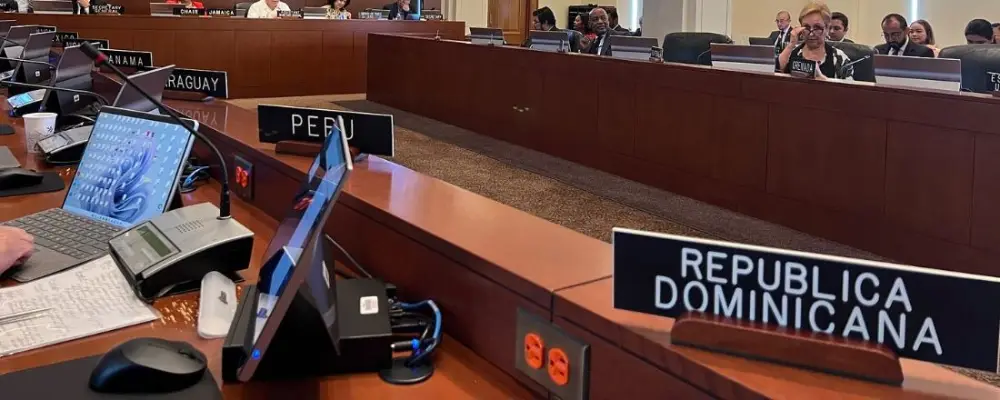
“From now on the voice of the Dominican Republic in international organizations will always be loud and just, calm and brave to condemn inoperative extremisms in America and to defend the rights of peoples to live a life of justice and development.” José Bonilla Atiles, Dominican Minister of Foreign Affairs. January 10, 1962.
Democracies are characterized by political forces that disagree on public policies and approaches to society but resolve their conflicts through a commonly accepted institutional framework.
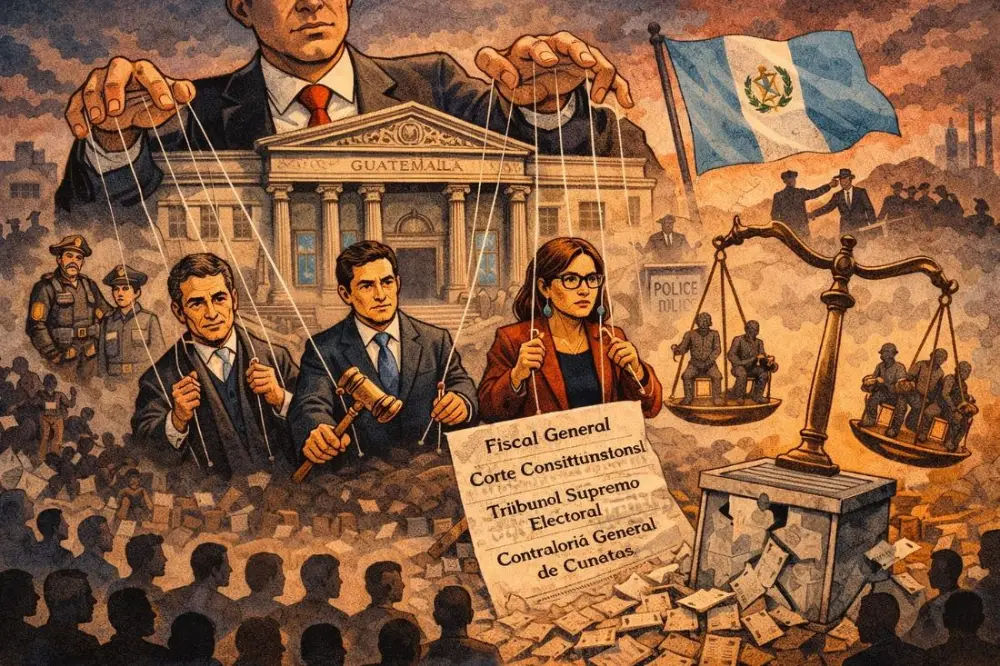
Today our democracies face sporadic, and sometimes systematic, attacks against that institutional framework, which is not equally robust in each of our nations. That is the erosion, or “backsliding”, of democracy that is so commented upon.
Added to that, some think, for some reason, that many of the conversations about this seem to ignore that not all countries find themselves in the same state of democratic development. It is naive to start from the premise that assumes that the quality of our democracies is the same, or that in our countries everyone understands this conversation in the same way, and we assume the same concepts, or their implications. A constructive and respectful dialogue is needed, which takes contexts into account.
Valuing that there are incremental processes in different states of maturity in each of the countries of the Americas is crucial. Hence, a single and general recipe will not help at all. On the contrary, it could be counterproductive.
Thus, while the conversations stalled in the polarization and political nonsense of the moment remain as romantic aspirations of some, and the “unusual consensuses” to which the Peruvian ambassador Mr. Hugo de Zela has often referred are achieved, I invite a reflection that weighs the enabling of a collective space for voluntary participation, which operates as a peer review mechanism for the quality of neuralgic aspects of our democracies. A space where those who have an interest in sharing strengths and learning from those of others can participate.
With a modest exercise in self-criticism and an adequate dose of humility and confidence we could: actively listen, converse honestly, and see where we can improve, from whom we can learn, and how others sort out the challenges we face. I refer to electoral processes, the rule of law, civil liberties, political participation, government functioning, democratic culture, the degree of rootedness and respect for democratic values, political tolerance, acceptance of diversity, and the existence of an enabling environment for the exercise of rights and citizen participation, control of corruption.
Let’s parametrize, compare and act, because luck does not exist! there is work and chance. The more we work on the quality of our democracies, the less we leave to chance.
Destiny does not exist! There is what we build. No State was born either condemned or predestined. We have the freedom to choose the role we want to play. The Dominican Republic bets on more and more Democracy.
(I acknowledge the use of ChatGPT 4 (OpenAI, https://chat.openai.com) to translate the original text from Spanish to English.)