- Desafiando la Recesión Democrática: Una Perspectiva desde República Dominicana.
- Chile y República Dominicana: Ecos Paralelos de Resistencia Democrática
- Defying the Democratic Backsliding: A Perspective from the Dominican Republic
- Electoral Systems in the Americas: A Comprehensive Analysis from the OAS Electoral Observation…
- Sistemas Electorales en las Américas: Un Análisis Integral desde las Misiones de Observación…
- Colombia ante la urna y los sedimentos del posconflicto
Chile and Dominican Republic: Parallel Echoes of Democratic Resistance.
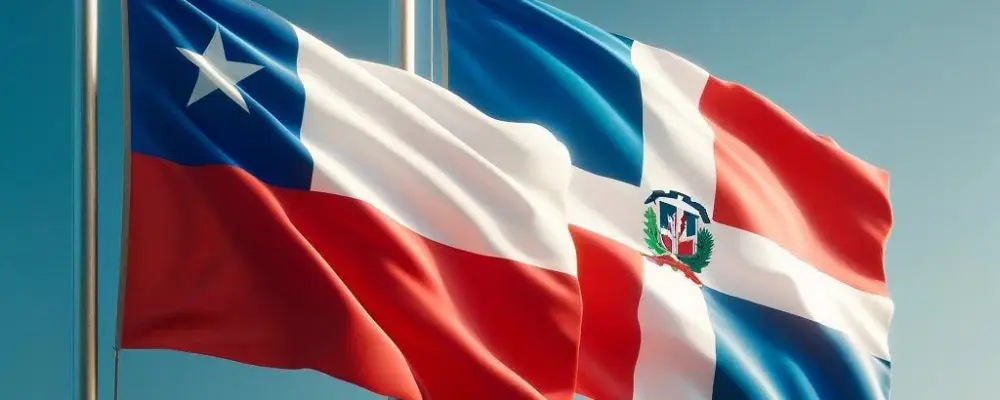
On September 11, 2023, in an event that reverberated through time and the collective consciousness, the international community commemorated the fiftieth anniversary of the coup d’état in Chile that ended Salvador Allende’s presidency.
This date is not only a reminder of the incessant flow of time, but also a space for introspection on the nature of democracy and justice in our region, a reflection of our ongoing struggles and the ideals we still strive to achieve.
The 1973 coup in Chile transcends the simple act of political subversion. It was, in effect, an earthquake that shook the foundations of Latin American democracy, sending shockwaves beyond national borders.
Interrupting the presidency of a democratically elected leader like Allende constituted an attack on public confidence in our institutions, a legacy of division and mistrust that still resonates.
Allende’s figure in Chilean history is complex but undeniably influential, a symbol of deep social and political aspirations. The process of reconciliation with his historical period has been a thorny path, marked by the pain of human rights violations during Pinochet’s dictatorship, but also by a concerted effort to rescue the meaning and lessons of his government.
The memory of Allende and the coup d’état have generated a wide spectrum of reactions in Chile. Museums, monuments, and commemorations, such as those filling the vibrant city of Santiago, are a testimony of a country struggling to face its past, serving as spaces for reflection and dialogue on this crucial chapter of Chilean history.
The military dictatorship that followed was a dark period of 17 years, characterized by repression and the loss of countless lives. This legacy of pain not only left visible scars on Chilean society, but also resonated abroad, including in the Dominican Republic.
The story of Juan Andrés Blanco Castillo is a sad example of the human connections that unite the fate of our countries. This young Dominican, after being exiled from his homeland, took refuge in Chile, only to be swallowed up by the machinery of Pinochet’s dictatorship.
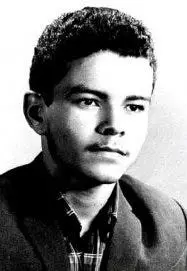
Blanco Castillo, with the promise of a bright future, was torn from his path by political violence, leaving a personal history that is a microcosm of the collective tragedy.
His story resonates particularly in the Dominican Republic, not only because of the brutality he faced but also because our own nation has experienced oppression under dictatorships.
The tyranny of Trujillo in the Dominican Republic was an era of terror comparable to that of Pinochet, and our countries share the common wound of oppression and resistance to authoritarian regimes. The memory of Blanco Castillo and others like him deeply connects the events in Chile with those in the Dominican Republic.
In 1963, just a decade before the coup in Chile, we lived our democratic trauma when the progressive president Juan Bosch was ousted. These events, separated by a decade and thousands of miles, are similar: usurped power, trampled democracy, and the suffering of the people.
Bosch’s story, like Allende’s, underscores the fragility of democracy and the constant need to defend it. Bosch, the first democratically elected president after Trujillo’s fall, symbolized hope and change. His overthrow, similar to the coup against Allende, reminds us that democracy must be actively nurtured and protected.
The pain our countries have shared fosters a special empathy, a mutual understanding of what it means to lose and then seek to rebuild society on the ashes of stolen freedom.
This bond of empathy drives us to confront together the legacy of our authoritarian past and to reinforce our commitment to the defense of democratic principles.
The commemoration of the coup against Allende was a moment to reaffirm our commitment to collective values: democracy, and human rights. It reminded us of the importance of protecting our democratic institutions and the rule of law and being vigilant in the defense of human rights and social justice.
Commemorating these dark anniversaries is imperative to remember and act. It is a call to reaffirm our commitment to democratic principles and human rights.
As we remember these sad events, let us renew our determination to work together for a more just, peaceful, and democratic future for all the peoples of the Americas. This article is not merely an account of the past, but a commitment to memory and a call for continued action.
We are united by the desire to nurture and defend democracy and the rule of law, and to confront challenges to democracy with more democracy, promoting dialogue and peaceful solutions, always with an eye on the well-being of citizens.
May the memory of all those who have suffered under the yoke of oppression be the angel that guides our democratic future and the light toward the progress that our people demand and deserve.
(I acknowledge the use of ChatGPT 4 (OpenAI, https://chat.openai.com) to translate the original text from Spanish to English.)