- “The Office of Ambassador in the Middle Ages” de Donald E. Queller
- “What Diplomats Do” de Sir Brian Barder
- "Diplomatic Tenses: A Social Evolutionary Perspective on Diplomacy" de Iver Neumann
- "Diplomatic sites: a critical enquiry" de Iver B. Newmann
- "Democracy from Above: Regional Organizations and Democratization" by Jon C. Pevehouse (2005)
- “Democracy from Above: Regional Organizations and Democratization” de Jon C. Pevehouse (2005)
“Erasing History: How Fascists Rewrite the Past to Control the Future” by Jason Stanley (2024)
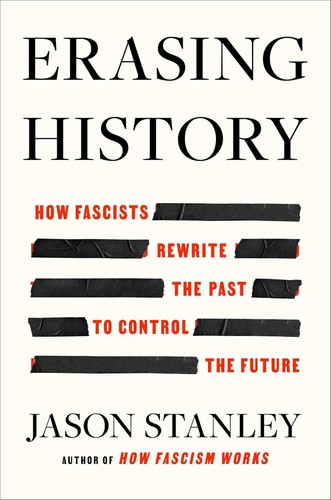
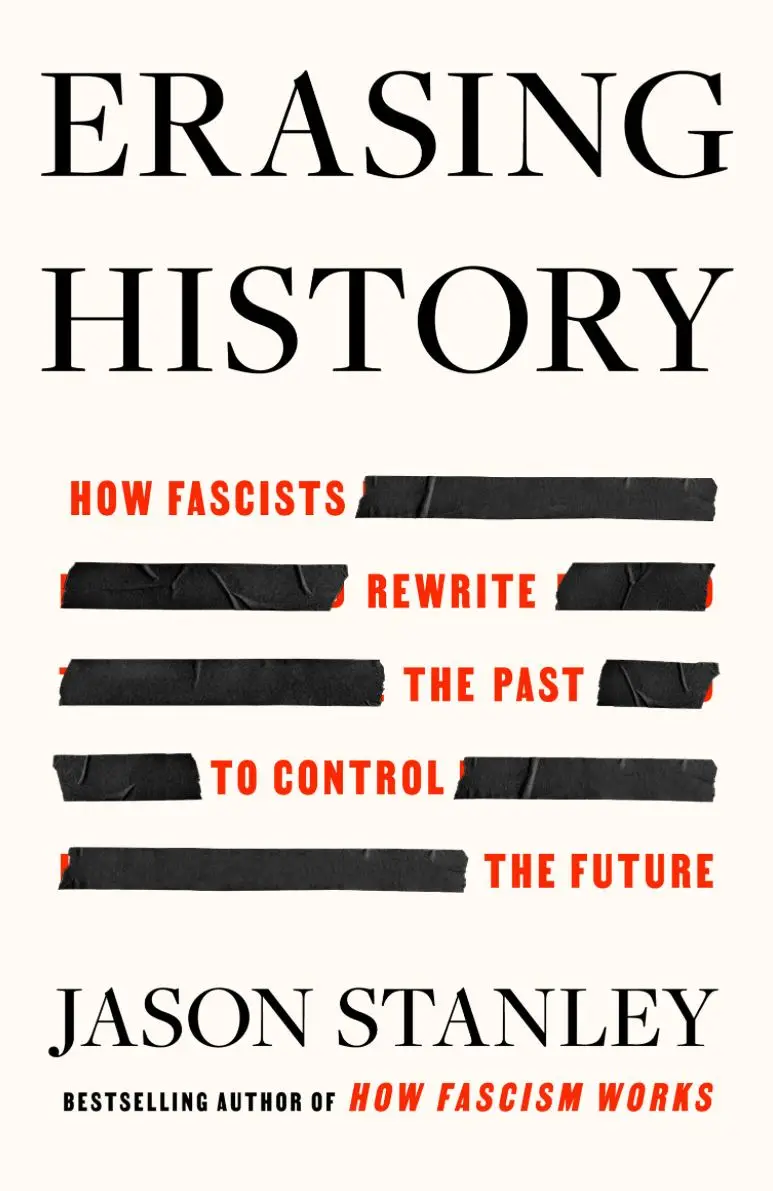
The book “Erasing History: How Fascists Rewrite the Past to Control the Future” by Jason Stanley addresses how authoritarian regimes, especially fascists, manipulate and erase history to consolidate power and control narratives about the past. The central premise of the text is that history is a dangerous tool for these regimes because it presents multiple perspectives, which allow citizens to see their reality as diverse and open to constant reinterpretations. In a democracy, this historical plurality fosters equality and collective reflection, while authoritarians, especially fascists, seek to simplify and mythologize history into a single narrative that justifies the supremacy of certain groups.
Stanley argues that fascism is founded on the division of populations into “us” and “them,” appealing to ethnic, racial, or religious differences. Through a series of tactics, fascists create a mythical past, promote propaganda, demonize certain groups, and manipulate the educational system to eliminate perspectives that challenge their control. A key example of this historical rewriting is the censorship or manipulation of events like the Holocaust or the Civil Rights Movement. Contemporary fascism, according to Stanley, continues to employ these same tactics, as seen in current political movements.
Analysis:
- The power of history and education: Stanley emphasizes that history, as a discipline, is essential in a democracy because it allows citizens to recognize their equality before the law and power. Fascists, however, fear this plurality because it threatens their control over society. This is why rewriting the past, either by erasing or manipulating historical facts, is a central tactic for these regimes. This dynamic is evident in current struggles over education, where there is debate over the teaching of critical race theory and other aspects of the country’s racial history.
- Supremacy and exclusion: A key element of fascism, according to Stanley, is its constant effort to justify the superiority of certain groups. This is achieved not only through propaganda but also through education. By rewriting history, fascists validate the oppression and exclusion of certain sectors of the population. This process erodes democratic equality and fosters an environment where cruelty toward “others” becomes normalized.
- Globalization of fascism: Although the book focuses on the U.S., Stanley highlights that the resurgence of fascism is a global phenomenon. Many countries are seeing a systematic attack on education and plural history, which reinforces authoritarian narratives. In these contexts, history is rewritten to strengthen nationalist identities and justify violent treatment of minorities and dissidents.
- Legacy of colonialism: Stanley also connects fascism with colonialism, arguing that both systems depend on the elimination of the histories of oppressed groups. The colonial narrative, like that of fascism, justifies exploitation and control by dehumanizing the colonized, presenting them as lacking a valid history. This approach erases the struggles of peoples for their freedom and their right to self-determination.
“Erasing History” is not only a warning about the dangers of fascism but also a call to action to defend critical education and historical truth. Stanley shows how the battle for the past is ultimately a battle for the future since controlled historical narratives can destroy the foundation of democracy, equality, and justice.