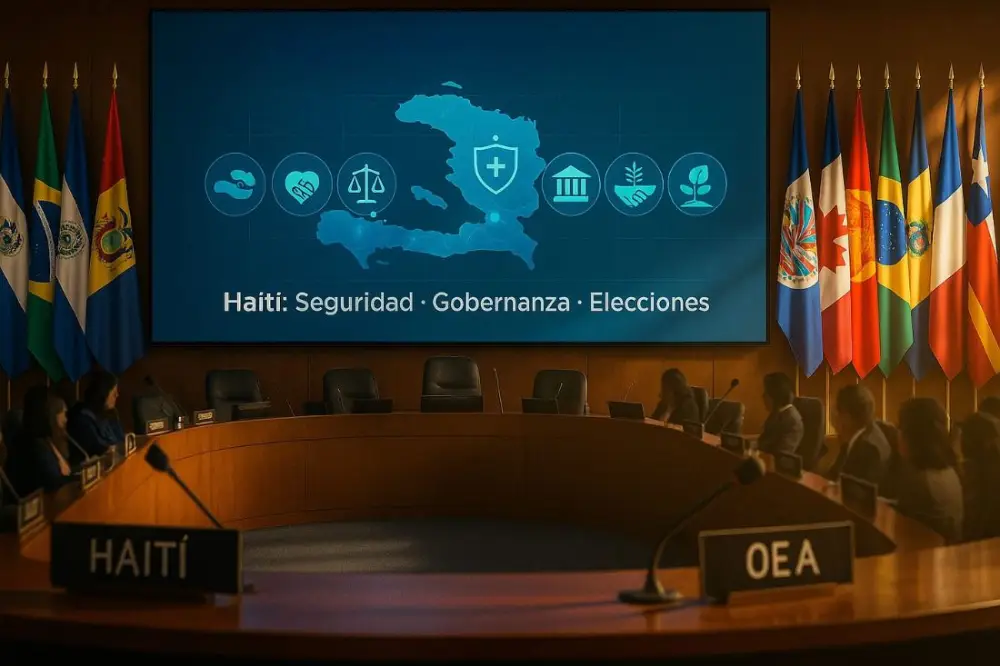
September 30: Haiti on the Edge
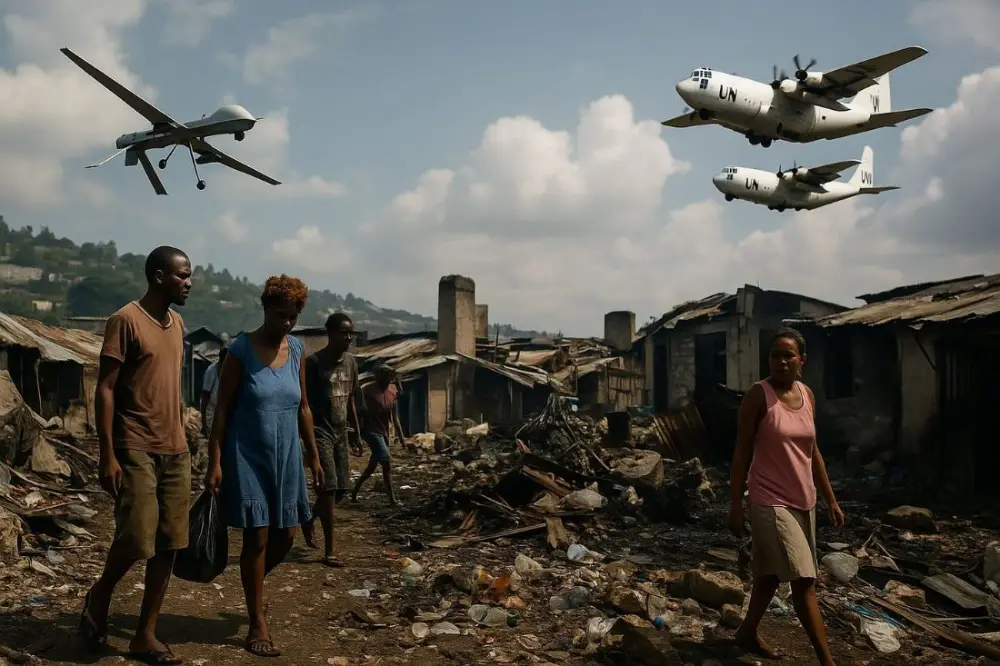
On September 12, forty-two Haitians were massacred in Cabaret. Their bodies — some left to be eaten by dogs — lay abandoned as families fled into the void. The armed coalition Viv Ansanm called it revenge. In truth, it was confirmation that in Haiti, the state has disappeared and violence is now the only functioning political language.
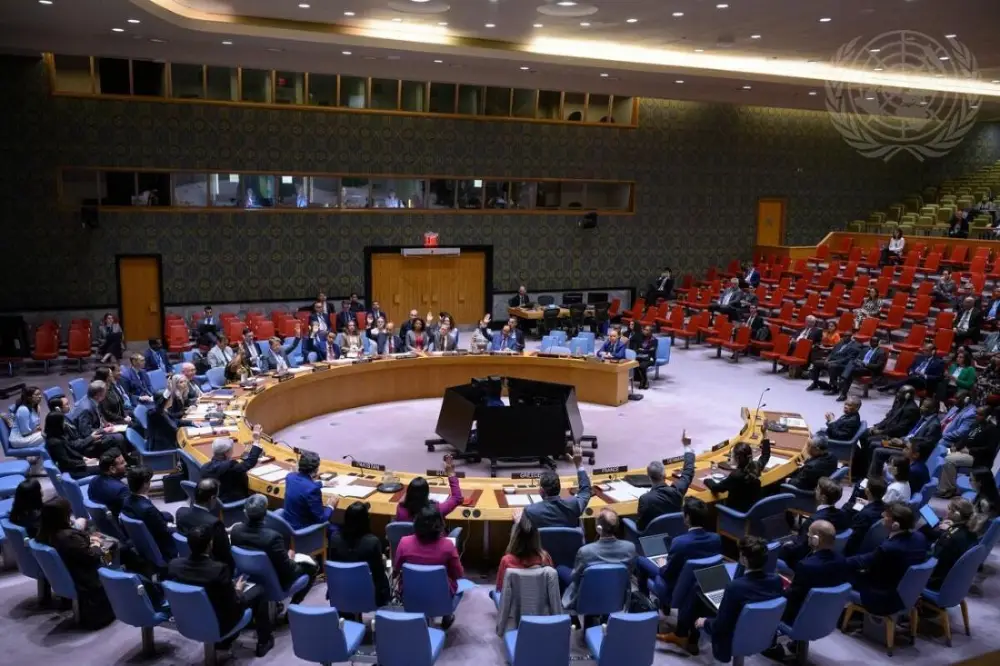
On September 30 at 10 a.m., the UN Security Council will decide whether to turn the faltering Multinational Security Mission into a 5,550-strong Gang Suppression Force. This is not just another resolution. It is a test of whether the international community is prepared to commit to decades of work — or settle for managing decline while it festers.
The Economics of Collapse
The math is merciless. The current mission — fewer than 1,000 troops, instead of the promised 2,500 — has already burned through $110.8 million in voluntary contributions. António Guterres said $600 million a year would be needed just to sustain that small force. Expanding to 5,550 troops with a broader mandate and complex command structures would push annual costs well above $3 billion.
Who will shoulder that burden? Washington faces a Congress unwilling to bankroll another foreign engagement. Europe is consumed by Ukraine and its own austerity. China and Russia see the mission as a Western project. The voluntary funding model means collapse within a year, maybe less. Haitians have seen this before: interventions launched with ceremony, abandoned midstream, leaving a vacuum that gangs fill with blood.
And even if the money were raised, the spending is skewed. Virtually nothing is earmarked for disarmament, demobilization, and reintegration (DDR) — the painstaking process of collecting weapons, breaking down gang structures, and giving fighters, especially the thousands of children recruited, a way back into society. Without DDR, more troops simply mean temporary suppression, not lasting peace.
The Legal Abyss
The proposed authority to “detain and arrest Haitians” is a legal time bomb. Haiti’s courts have collapsed. Its prisons are already controlled by gangs. Where will detainees be tried? Where will they be held?
Rules of engagement in crowded neighborhoods raise impossible choices. Gangs are embedded in the same streets where families cook, where children play. International humanitarian law demands a distinction between fighters and civilians, but in Port-au-Prince those lines are erased. A soldier who doesn’t speak Creole cannot know who is an assailant and who is a hostage.
History haunts this debate. Past UN missions left behind rape scandals and a cholera epidemic that killed 10,000 Haitians. Accountability mechanisms remain vague, unenforceable, and unconvincing. Without an independent framework with real consequences, abuses will return — and with them, rage against foreign troops.
And DDR again looms as the missing piece. Arrests and raids cannot succeed without a credible plan to disarm gangs, dismantle their networks, and reintegrate their fighters. Otherwise, every arrest will be replaced by a new recruit, every dismantled cell reborn with fresh weapons.
The Electoral Mirage
Perhaps the most reckless illusion is the rush to elections in 2025 or 2026. Many capitals push for ballots as proof of progress, but ballots without security are suicide.
The Venice Commission of the Council of Europe said it plainly: “no election or referendum can be contemplated until an appropriate level of security is restored.” Haiti is nowhere near that threshold. In Port-au-Prince — home to half the electorate — gangs dictate who lives and dies. Political parties cannot campaign, cannot even gather.
Displacement makes the picture worse: 1.3 million Haitians, more than 10% of the population, are far from their districts. The National Identification Office has collapsed. Hundreds of thousands lack the documents to vote. Rebuilding voter rolls in camps and informal settlements is logistically impossible.
And yet Jimmy “Barbecue” Chérizier, leader of the G9 coalition, has already announced plans for a political party. Elections under his control would not legitimize democracy — they would institutionalize gangster rule.
The international community must choose. Either postpone democracy until real security and DDR are in place, or risk blessing a narco-state with ballot boxes. Pretending a middle road exists is the costliest illusion of all.
The Dominican Dilemma
The Dominican Republic, sharing 390 kilometers of porous border, cannot hope to wall off this crisis forever. More troops, more wall, harsher penalties for helping migrants — these are stopgaps. Gangs are already building links with transnational cartels and probing Dominican territory.
Waiting is not an option. Within five years, Santo Domingo could be facing a consolidated criminal state next door, with drug havens a short drive from Punta Cana and migration flows dwarfing today’s challenges. Stability in Haiti is not charity — it is survival.
The Questions Left Hanging
What is the real horizon — decades, not years? Is the world prepared for a 20-year commitment? What are the metrics of success — fewer murders, more territory under government control, or just holding elections at any cost? Where is the funding for DDR — the disarmament, demobilization, and reintegration that every expert knows is essential? And how will corruption be stopped, when past aid has fattened Swiss accounts while Haitian slums drowned in misery?
If September 30 ends with another vague resolution, gangs will celebrate. Every day of hesitation is a day of victory for them.
A Call for Brutal Clarity
Haiti’s crisis demands honesty. Billions of dollars over decades, not a few hundred million over months. A legal framework that works, with independent oversight and consequences that bite. Elections only when security allows, not before. And regional leadership that treats Haiti’s collapse as a shared threat, not someone else’s problem.
Haiti is teetering on the edge. Children cannot wait for DDR programs that never come. Families cannot wait for aid that never arrives. And the Dominican Republic cannot wait for collapse to spill over its borders.
On September 30, the Security Council will decide not just Haiti’s future, but the credibility of the global system to confront crises of this century. Haitians deserve more than another failed mission, more than abandonment disguised as sovereignty, more than ballot boxes handed to gangs.
History will not judge intentions, only results. And without money, law, and DDR, the results are predictable: more death, more chaos, more despair. The corpses of Cabaret demand more than another hollow resolution.